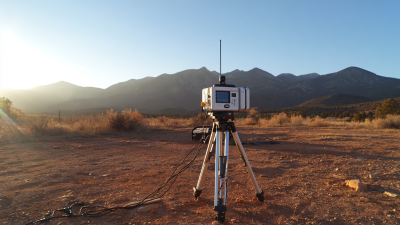
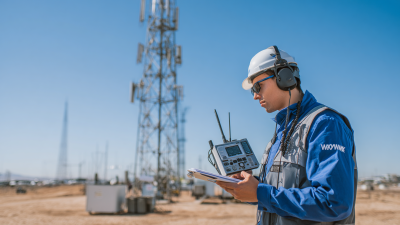
You know, with how quickly technology has been progressing these days, it's really changed the game in so many fields—navigation being a big one. If we take a peek into what's coming with new GPS tech, especially these advanced GNSS receivers, you start to see some pretty exciting possibilities. A company like Shanghai Apekstool (or APEKS, as they go by), based right there in Shanghai, really stands out. They're all about pushing the envelope with innovative geospatial survey and mapping tools, including those fancy GNSS/GPS systems. What I love about them is how dedicated they are to helping professionals get better at their work—providing cutting-edge tools that boost both accuracy and efficiency. As we dig into how Gnss Receiver Gps tech is evolving, it’s clear that not only are we improving how precisely we can navigate, but we're also opening up new ways for this tech to transform various industries. It’s honestly pretty amazing to think about how all this shapes the way we connect with the world around us.
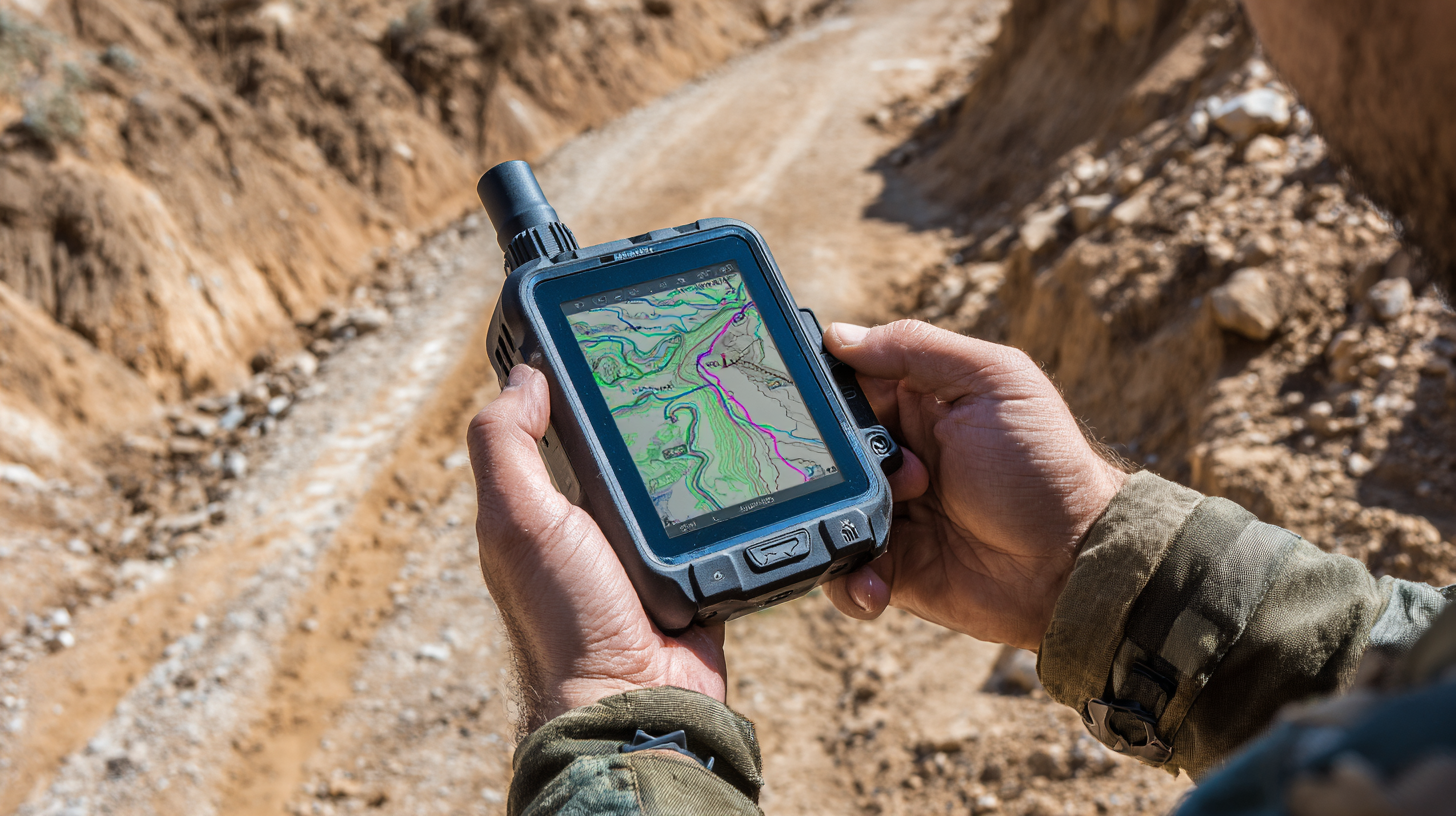
The Evolution of GNSS Technology: Past, Present, and Future Innovations
You know, the way Global Navigation Satellite System (GNSS) tech has evolved over time is pretty impressive. We've hit some major milestones that really shape where it’s headed now—and hint at even cooler innovations down the line. As satellite tech keeps improving, we're seeing more AI-powered insights being tossed into the mix, which really boosts navigation precision and helps keep our roads safer. Just thinking about it, with around 1.19 million people losing their lives every year in traffic accidents, these cutting-edge satellite solutions could actually make a huge difference in how we approach road safety.
And here’s the interesting part — recent breakthroughs are bringing in Low Earth Orbit (LEO) satellite systems. These are set to take positioning, navigation, and timing (PNT) capabilities to the next level. The latest market reports make it pretty clear: these advances are gonna shake things up big time, leading to smarter, more reliable navigation options. Plus, as the industry explores cool stuff like radionavigation from lunar missions, it’s pretty exciting to think about how GNSS might totally change in the future—making it more dependable and accessible for all sorts of things, from farming to city planning.
Key Features of Advanced GNSS Receivers: What Sets Them Apart
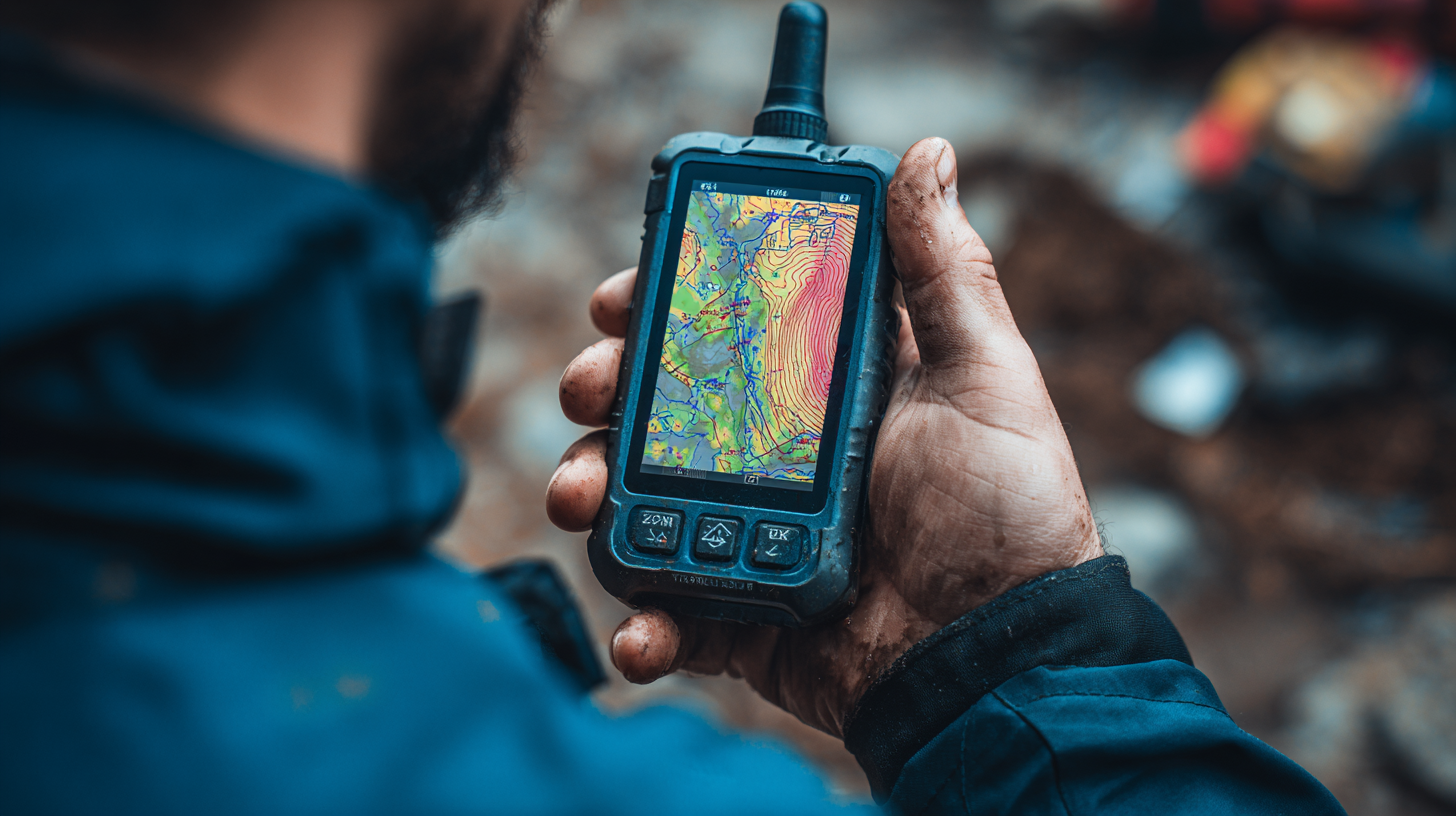
Advanced GNSS receivers are really a big leap forward in navigation tech. They come packed with features that set them apart from the older models. It’s worth noting that the tech’s evolution isn’t so much about sudden breakthroughs as it is about steady, ongoing improvements. This means companies can keep adding smarter capabilities for things like surveying and mapping.
Lately, the focus has been on making these receivers more accurate, stable, and resistant to jamming—something that’s super important for both everyday civilian use and military needs. For example, recent upgrades have boosted timing accuracy, which is crucial for supporting the new Open RAN 5G networks, tying the whole modern navigation system together in a pretty impressive way.
Key features include high-end inertial measurement units (IMUs) that deliver top-notch performance in terms of orientation and acceleration. These improvements not only make data collection more precise for building infrastructure but also increase the overall reliability of different applications. Industry insiders say that organizations adopting these next-gen GNSS systems can see efficiency jumps of up to 30%, giving them a real edge in geospatial mapping and related fields. As the demand for pinpoint navigation keeps growing, these advanced receivers are quickly becoming essential tools for professionals in fields like surveying, engineering, and even outdoor adventures.
Integrating GPS Technology with Smart Devices for Seamless Navigation
Hey, have you noticed how GPS tech is really shaking things up when it comes to smart devices? It's like navigation just got a whole lot smoother and more intuitive. Honestly, the global mobile mapping market is booming — it’s expected to hit about $26.1 billion this year, and it's growing at a crazy fast rate of around 19% annually from 2024 to 2031. No surprises there—the demand for spot-on, easy-to-use navigation solutions is definitely on the rise. Part of this hype comes from all the recent advances in self-driving tech, which rely heavily on better positioning, perception, and smarter decision-making built into the systems.
And as smart devices with high-tech GNSS receivers keep getting better, integrating navigation into daily life is becoming more of a norm than an exception. Think about it—your smartphone, wearables, and even some new gadgets are now packed with precise GPS features, making it easier than ever to get around. Plus, there's this exciting side of things: systems that help visually impaired folks are making waves, and the market for these kinds of assistive solutions is expected to jump from about $13.4 million in 2024 to roughly $22.5 million by 2032. That’s a steady growth of around 6.65% per year. Basically, this tech isn’t just about easier navigation — it’s also helping make the world more inclusive, offering personalized support in all sorts of settings.
The Role of Artificial Intelligence in Enhancing GNSS Accuracy
So, you know how integrating AI into Global Navigation Satellite Systems (or GNSS) is really a game-changer, right? It's basically taking location accuracy to a whole new level.  AI algorithms dive into huge chunks of data from GNSS receivers, picking up patterns and spotting oddities that might mess with your position. And the cool part? With machine learning, these systems get smarter over time. They can adapt to different environments, filter out all that junk noise, and give faster, more reliable responses. That means better navigation—super important for stuff like autonomous cars or precision farming where every meter counts.
Oh, and a quick tip—keep your navigation software up to date and go for AI-enabled receivers whenever you can. That tiny step can make a big difference in how accurate and dependable your system is.
On top of that, AI is also key when it comes to keeping GNSS infrastructure in check. It constantly monitors satellite signals and ground stations, so it can spot potential issues before they turn into real problems. This way, you get a smooth, uninterrupted service, which not only improves precision but also builds trust with users. As AI keeps advancing, I honestly think it’s going to shake up how we do navigation across all kinds of industries.
And here’s another tip—try out some AI-powered apps that use augmented GNSS data. They can give you a seriously improved navigation experience, making everything feel smoother and more accurate than ever before.
Challenges in GNSS Implementation: Overcoming Obstacles for Future Navigation
You know, the advances in Global Navigation Satellite System (GNSS) technology have really changed the game when it comes to navigation. But, honestly, there are still quite a few hurdles to clear before it can be smoothly integrated into our everyday systems. I was reading this report — the 'GNSS Market Analysis and Forecast' by ResearchAndMarkets— and it turns out the Global Gnss market is on track to hit around$432 billionby 2025. That just shows how much everyone’s counting on this tech, but at the same time, it also means we’ve got some serious challenges to tackle, like signal interference, lack of infrastructure in rural areas, and security issues like hacking threats. All of these could mess with the accuracy and reliability of Gnss Devices.
Plus, the European Space Agency pointed out that tall city buildings — you know, those urban canyons — really mess with signals because of multipath effects, causing big errors in positioning. But here’s some good news: adopting techniques like Real-Time Kinematic (RTK) and Precise Point Positioning (PPP) can help cut through these issues, making navigation much more precise, even in tricky environments. As the industry keeps pushing forward with innovation, making sure security is tight and infrastructure gaps are filled will be key if we want to unlock the full potential of GNSS for future navigation needs.
The Impact of Upcoming Technologies on Navigation: A Look Ahead
The future of navigation? It’s looking pretty exciting, honestly. Thanks to some pretty awesome advancements in GNSS receiver and GPS tech, we're on the verge of a major shake-up in how we find our way around. And as we dive into these upcoming innovations, it’s impossible not to notice how digitalization and sustainability are really pushing things forward. The way precision navigation systems are coming together with artificial intelligence is totally changing transportation as we know it. Now, we’re seeing smarter routes, more efficient logistics, and even autonomous vehicles taking over—meaning fewer mistakes and safer trips overall.
On top of that, the transportation world is buzzing with new tech that’s transforming the scene. Things like digital twin tech in aviation and advanced fleet management tools powered by AI aren't just cool features—they’re signs that we're moving towards way smarter, more connected operations. As businesses start adopting these tools, traditional methods and compliance rules are being challenged, making way for real-time data and adaptable navigation systems. All in all, this shift promises safer, more reliable transportation—kind of like a win-win for everyone.
So yeah, the future of navigation isn’t just about fancy gadgets, but also about making things better for our planet, too.
Enhancing Surveying Efficiency: Analyzing the Impact of Advanced GNSS Poles on Precision and Workflow in Geospatial Applications
The integration of advanced GNSS poles is revolutionizing the methodology of geospatial applications, significantly enhancing surveying efficiency. According to a recent report by the International Association of Geodesy, modern GNSS technology can improve positional accuracy by up to 2 mm under optimal conditions, which is crucial for projects that demand high precision, such as construction and infrastructure development. The application of advanced GNSS poles allows surveyors to achieve these levels of accuracy while also streamlining their workflow.
Furthermore, the productivity gains are evident. A study published by the Geospatial World Forum highlights that utilizing advanced GNSS poles can reduce field data collection time by nearly 30%. This efficiency is attributable to features such as integrated tilt compensation and rapid initialization, enabling surveyors to complete tasks more quickly without sacrificing quality. Investing in these modern instruments not only improves the quality of data collected but also aligns with the increasing demand for faster turnaround times in geospatial projects.
Moreover, the adaptability of advanced GNSS poles to various environmental conditions bolsters their utility in diverse surveying applications. With environmental factors like tree cover and urban structures affecting signal quality, advanced poles equipped with multi-frequency capabilities can maintain robustness by mitigating these interferences. The value of enhanced GNSS technology thus lies not just in precision but also in its ability to support versatility in challenging scenarios, making it an indispensable asset in the geospatial industry.
FAQS
: The global mobile mapping market is projected to reach $26.1 billion in 2023.
The growth is driven by advancements in automatic driving technologies that emphasize enhanced positioning, perception, and decision-making capabilities.
AI algorithms analyze vast datasets from GNSS receivers to identify patterns and anomalies, improving location accuracy and adapting to varying environmental conditions.
The market for emotionally aware systems is expected to grow from $13.421 million in 2024 to $22.458 million by 2032, reflecting a compound annual growth rate of 6.65%.
Users can ensure optimal GNSS performance by regularly updating navigation software and utilizing AI-enhanced receivers.
AI systems monitor the health of satellite signals and ground stations, anticipating failures before they occur, ensuring uninterrupted service and enhancing user trust.
Upcoming technologies include advanced GNSS receiver GPS technology, digital twin technology in aviation, and sophisticated AI-built fleet management tools.
The integration leads to more efficient and environmentally friendly logistics, enhancing route optimization and facilitating autonomous vehicles, thereby reducing human errors in navigation.
The transportation sector is expected to see a shift toward real-time data and adaptive navigation systems, enhancing safety and reliability across all mobility platforms.
AI-powered apps that utilize augmented GNSS data can significantly improve positioning and enhance overall navigation experiences for users.
Conclusion
The article titled "Exploring the Future of Navigation with Advanced GNSS Receiver GPS Technology" takes us on quite the journey through the evolution of GNSS tech. It’s really fascinating to see how far it's come, especially with all the cool new innovations that make these advanced GNSS receivers stand out. They talk about features like how these systems are now easily integrated with smart devices—and how artificial intelligence is playing a big role in making GPS accuracy even better. Honestly, it sounds like these advancements could make navigation smoother and more seamless than ever before.
Of course, it also doesn’t shy away from discussing the hurdles in implementing GNSS technology. But don’t worry—they explore potential solutions, which could really open up a lot of exciting possibilities for the future of navigation. Oh, and by the way, Shanghai Apekstool (APEKS) is pretty much leading the charge in this space. They’re innovating with top-of-the-line GNSS Receiver GPS solutions, helping to improve precision and reliability in navigation — pretty impressive stuff, if you ask me.